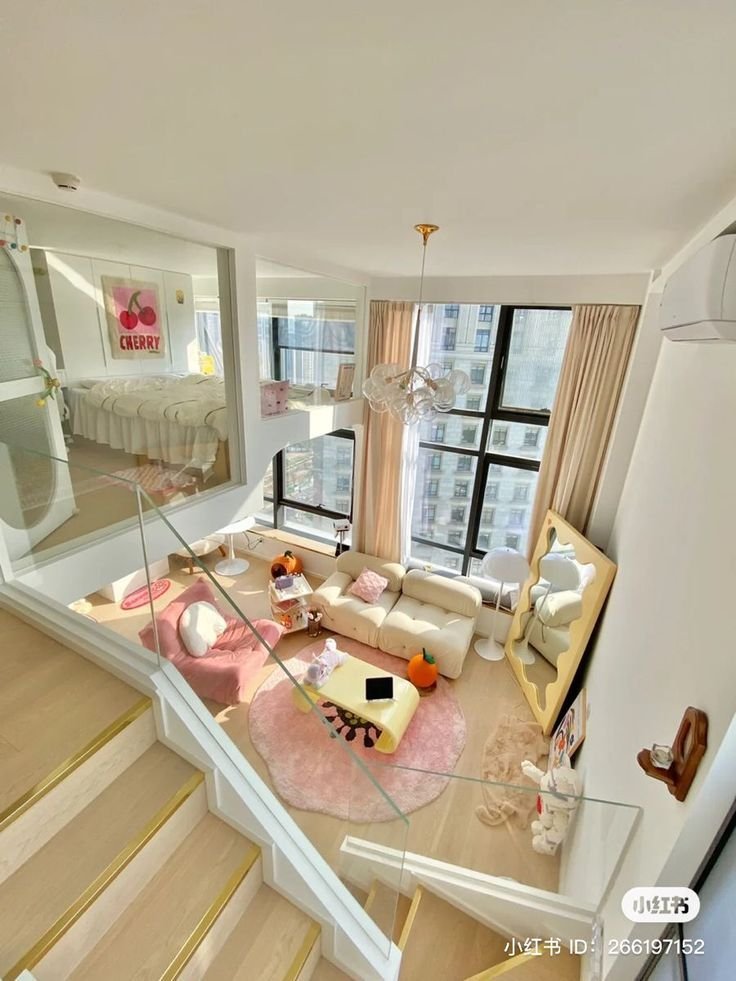
Stepping into a home that instantly feels you – that’s the ultimate goal of great interior design. But in a world overflowing with trends and countless beautiful Home Decor & Interior Design Aesthetics, how do you pinpoint your personal style without feeling overwhelmed? The secret isn't picking just one aesthetic to slavishly follow. It's about blending, combining, and curating 2-3 distinct styles to create a space that’s authentically yours, deeply cohesive, and sparks joy every single day.
This guide isn't about rigid rules; it's about empowerment. We'll show you how to effortlessly combine different aesthetics, simplifying your decorating decisions, establishing a harmonious color palette, and reflecting your true identity in every corner. Even if you've never thought of yourself as "design-savvy," you'll finish this article with a clear vision and actionable steps to transform your living space into your personal sanctuary.
At a Glance: Crafting Your Signature Home Style Blend
- Ditch the "One Style" Myth: True personal style often blends 2-3 aesthetics, not just one.
- Simplify Decisions: A defined blend acts as a filter for all decorating choices, from furniture to accessories.
- Boost Cohesion: Blending thoughtfully creates a harmonious flow, even with varied elements.
- Reflect You: Your home becomes a true reflection of your personality, story, and values.
- Declutter with Purpose: Knowing your style makes it easier to let go of what doesn't fit.
- Find Your Palette: Your chosen blend naturally guides your color scheme, ensuring balance.
Why You Don't Need to Pick Just One Style (and Why That's Good News)
The design world constantly bombards us with new "must-have" aesthetics: the latest "core" trend, the next minimalist iteration, or a revival of a vintage era. While each individual style is beautiful in its own right, trying to force your entire home into a single box can feel restrictive, impersonal, and frankly, a bit impossible. Most people don't fit neatly into one category, so why should their homes?
Your home should be a living memoir, a collection of experiences, preferences, and comforts. By intentionally blending 2-3 distinct aesthetics, you unlock a powerful set of benefits:
- Uniquely You: You move beyond replicating a look from a magazine and instead cultivate an environment that tells your story.
- Effortless Cohesion: Paradoxically, a thoughtful blend creates more harmony than a single style. Each element has a "reason" to be there, creating visual interest without chaos.
- Simplified Decision-Making: When faced with a new purchase or decorating choice, you simply ask: "Does this fit my personalized style blend?" If not, it's an easy pass.
- Budget-Friendly: You're not tied to buying all new everything. Your blend provides a framework for integrating cherished pieces, new finds, and even DIY projects.
- Enhanced Daily Joy: Living in a space that truly resonates with your inner self profoundly impacts your mood, productivity, and overall well-being. It's a daily dose of comfort and inspiration.
Embrace the freedom of not having to choose. Instead, let's explore how to create a style that's as multifaceted and interesting as you are.
Your Blueprint to a Unique Home: The Style Blend Formula
Ready to define your signature home style? It's a journey of self-discovery, made simple with a clear, step-by-step process. Think of it as mixing your favorite ingredients to bake a perfect cake – each element adds flavor and character.
Step 1: Discover Your Design DNA (Quiz & Initial Exploration)
Before diving into descriptions, get a sense of your natural leanings.
- Take a Quick Quiz (Optional, But Fun!): There are many online quizzes designed to help you identify core design preferences. Don't take the results as gospel, but use them to generate a shortlist of styles you might resonate with. For a burst of new visual inspiration, you might even Discover random aesthetic ideas!
- Visual Scan: Scroll through Pinterest, Instagram, or design magazines. What catches your eye? Save images, even if you can't articulate why you like them yet. Look for patterns in colors, textures, and overall vibes.
- Review Your Current Home: What pieces do you absolutely love? What rooms make you feel most comfortable? These existing elements are valuable clues to your innate preferences.
Step 2: Dive Into the Aesthetic Compendium (And Find What Resonates)
Now it's time to explore the vast world of interior design aesthetics. As you read through the descriptions below, keep an open mind. Don't just look for what you think you like, but what truly feels right, what brings a spark of recognition. You might find yourself drawn to characteristics from several styles.
How to Use This Compendium:
- Skim First: Read through them all to get a broad overview.
- Note Resonances: Jot down any style names that jump out at you, even if you only like 60% of the description. These are your initial contenders.
- Focus on Feelings: Does the description evoke a sense of calm? Excitement? Comfort? This emotional connection is key.
The Comprehensive Aesthetic Compendium: Your Style Atlas
Here's a detailed look at popular Home Decor & Interior Design Aesthetics, their defining characteristics, and typical color palettes.
- Art Deco: Glamorous, bold, opulent; geometric shapes, metallics, rich materials. Colors: Black, gold, silver, navy, emerald, burgundy, blush, cream.
- Artsy: Expressive, thoughtful, visually bold; art-focused, layered with meaning. Colors: Bold pops, grounding neutrals, unexpected combos.
- Boho (Classic): Vibrant, collected, soulful; global inspiration, layered textiles, mismatched treasures. Colors: Jewel tones, rich earthy hues, turquoise/magenta.
- Boho (Neutral): Airy, earthy, grounded; minimalist boho with desert tones, natural textures. Colors: Warm neutrals (sand, cream, taupe, clay, terracotta), soft blacks/whites, sage/rust.
- Botanical: Lush, grounding, alive; nature-celebrating, bringing outdoors in with greenery and natural rhythm. Colors: Shades of green, earthy browns, terracotta, creamy whites, floral hues.
- Bright: Cheerful, uplifting, airy; open, energizing, light-filled spaces. Colors: Crisp white, light neutrals.
- Coastal: Breezy, relaxed, sun-kissed; sea-inspired, airy, lighthearted, linen, weathered woods. Colors: Soft whites, sandy beiges, seafoam green, sky/ocean blue, navy, driftwood gray, coral/shell pink.
- Comfy: Functional, soft, supportive; designed for everyday physical comfort and ease. (Similar to Cozy)
- Contemporary: Sleek, current, ever-evolving; polished, uncluttered, timeless trends, clean but not cold. Colors: Soft neutrals (white, taupe, gray, black), subtle accents.
- Cottagecore: Whimsical, nostalgic, storybook-sweet; countryside fairytale, florals, vintage touches. Colors: Soft sage, cream, faded rose, dusty blue, butter yellow, warm wood tones.
- Cozy: Warm, inviting, comforting; plush textures, layers, ambient lighting (Hygge). Colors: Warm neutrals, soft browns, terracotta, forest green, blush pink, creamy whites.
- Earthy: Grounded, calm, connected to nature; stable, nurturing, timeless, like a quiet retreat. Colors: Terracotta, clay, ochre, moss, rust, sand, olive, charcoal.
- Eclectic: Bold, curated, one-of-a-kind; layered, collected, mixes eras, patterns, textures. Colors: Anything goes, with repeating shades for grounding.
- Farmhouse: Warm, homey, practical; lived-in charm, timeless simplicity, rustic familiarity. Colors: Cream, warm white, beige, soft gray, sage green, barn red, navy, black, warm wood.
- French Country: Elegant, rustic, romantic; old-world charm with relaxed sophistication. Colors: Soft whites, cream, muted blues, dusty pinks, sage green, lavender, taupe, warm grays, aged gold.
- Glam: Luxe, polished, dramatic; elevated, indulgent, bold (velvet, mirrors, gold accents). Colors: Jewel tones, black/white with gold/silver, blush pink, deep plum, rich navy with metallics.
- Global Collection: Well-traveled, layered, soulful; cultural richness, patterns, textiles, and materials from around the world. Colors: Terracotta, ochre, indigo, clay, jewel tones, warm wood, saffron/teal/magenta.
- Grandma Chic: Sentimental, layered, charmingly nostalgic; cozy, quirky, old-soul vibe, mixes heirlooms with modern touches. Colors: Rose, dusty blue, mustard, sage, faded burgundy, ecru, unexpected pops.
- Industrial: Raw, utilitarian, urban-cool; exposed brick, weathered wood, metal pipes. Colors: Charcoal, black, steel gray, rust, warm wood, tan leather, brick red, concrete-inspired neutrals.
- Japandi: Calm, intentional, quietly luxurious; blends Japanese elegance with Scandinavian simplicity (balance, restraint, warmth). Colors: Warm neutrals (taupe, sand, oatmeal), soft black, natural wood, off-white, stone gray, muted sage/blush.
- Lived-In: Relaxed, familiar, authentic; tells the story of its inhabitants, comfortable, a little imperfect. (Similar to Cozy, Comfy)
- Masculine (Formal): Sleek, confident, understated; rich textures, sharp lines, "grown-up cool." Colors: Charcoal, black, walnut, navy, espresso brown, slate, olive, leather tan, metallic accents.
- Masculine (Casual): Energetic, casual, functional; blends utility with personality, reflects active hobbies. Colors: Team colors, dark neutrals, pops from memorabilia.
- Maximalist: Bold, expressive, collected; "more is more" with richness, color, and personality. Colors: Rich jewel tones, bold contrasts, full rainbows, intentional clashes.
- Mediterranean: Sun-soaked, earthy, breezy; inspired by coastal regions, warm, timeless, inviting. Colors: Warm neutrals, sandy beige, sun-baked terracotta, olive green, sea blue, white, deep mustard.
- Memphis: Bold, quirky, unapologetically fun; 1980s Italian design, wild colors, geometric shapes. Colors: Hot pink, teal, mustard yellow, cobalt blue, black & white (high contrast).
- Mid-Century Modern (MCM): Timeless, functional, effortlessly cool; clean lines, organic shapes, natural materials, "less is more." Colors: Earth tones (olive, mustard, rust, walnut), pops of teal, orange, avocado green, muted pastels.
- Minimalist: Calm, clean, focused; strips back to essentials, clutter-free, emphasizes space, light, purpose. Colors: White, beige, soft gray, black accents, occasional muted tones.
- Monochrome: Sleek, focused, visually striking; single dominant color (or variations of one hue) for a cohesive, high-impact space. Colors: Any single-color palette (e.g., black and white, all blues, all greys).
- Moody: Bold, dramatic, atmospheric; mysterious, emo-luxe, cocooning, rich. Colors: Charcoal, navy, forest green, aubergine, rust, black, deep tones (often with neutrals).
- Palm Beach: Bold, breezy, glamorous; coastal ease with high-end flair, tropical vacation, playful kitsch. Colors: White, coral, aqua, grassy green, banana yellow, navy, hot pink, gold/lacquered accents.
- Playful: Fun, energetic, full of joy; doesn't take itself too seriously, personality-filled, unexpected details. Colors: Brights or pastels (coral, mustard, mint, sky blue, bubblegum pink, citrusy yellows).
- Preppy: Classic, cheerful, tailored with a twist; polished, upbeat, blend of tradition and youthful personality. Colors: Navy, bright green, white, red, coral, blush, butter yellow, sky blue.
- Regency: Elegant, opulent, theatrical; drama, symmetry, refined excess (Bridgerton aesthetic). Colors: Deep navy, emerald, burgundy, blush, gold, ivory, charcoal, rich jewel tones, black/white, metallics.
- Retro: Fun, bold, nostalgic; groovy energy of mid-20th century (60s mod, 70s disco, 80s pop). Colors: Mustard yellow, burnt orange, avocado green, cherry red, turquoise, baby blue, hot pink, black-and-white checkers.
- Romantic: Soft, floaty, dreamy; feminine energy, elegance, intimacy, beauty for beauty's sake. Colors: Blush, mauve, dusty rose, cream, lavender, soft peach, gold accents.
- Rustic: Warm, rugged, natural; countryside or mountain charm, weathered, unpolished, earthy. Colors: Warm woods, earthy neutrals, clay, forest green, charcoal, deep rust, creamy whites.
- Scandinavian: Clean, cozy, effortlessly stylish; functionality with warmth, calm, simplicity (Hygge). Colors: White, soft gray, warm wood tones, black accents, muted pastels.
- Serene: Calm, quiet, soothing; uncluttered, balanced, effortlessly peaceful, spa-inspired sanctuary. Colors: Soft neutrals, airy whites, sandy beiges, sage green, misty blue, warm greys, gentle taupes.
- Shabby Chic: Soft, romantic, slightly worn in; faded fairytale, antique-filled, pastel tones, whitewashed finishes. Colors: White, cream, soft pastels, faded florals, warm neutrals, antique gold/crystal.
- Southwestern: Warm, grounded, sun-drenched; desert landscapes, adobe, Native American influences, earthy yet colorful. Colors: Terracotta, sand, clay, turquoise, rust, sage green, mustard, black, creamy neutrals.
- Traditional: Classic, timeless, comforting; familiar, grounded, balanced, coordinated, enduring design. Colors: Deep jewel tones, rich neutrals, classic combos (navy & white), dark wood.
- Urban: Cool, polished, expressive; city life inspiration, industrial bones, modern design, trend-forward decor. Colors: Charcoal, black, white, tan, grey, brick red, pops of bold color, metallic accents.
- Vintage: Nostalgic, soulful, storied; lovingly curated, character, history, one-of-a-kind finds from any era. Colors: Soft neutrals, faded pastels, olive greens, mustard, dusty rose, avocado, rust, navy, aged wood tones.
- Wabi-Sabi: Peaceful, imperfect, deeply grounded; embraces beauty of transience, imperfection, authenticity (Japanese philosophy). Colors: Muted, earthy tones, weathered wood, soft neutrals.
Step 3: Refine Your Favorites (The Worksheet Approach)
Now that you’ve skimmed the aesthetic compendium, you likely have a handful of styles that resonated. It’s time to get a little more analytical.
- Select 5-7 Strong Contenders: From your initial notes, pick the styles that truly called to you.
- Create a Simple "Style Formula" Worksheet: For each contender, jot down:
- Style Name: (e.g., Japandi)
- Keywords: 3-5 core descriptive words (e.g., calm, intentional, quiet luxury, balance, warmth).
- Key Elements: Specific furniture types, textures, materials, lighting (e.g., low-profile, natural wood, linen, soft lighting).
- Color Palette Vibe: Overall feeling of the colors (e.g., warm neutrals, soft black, off-white).
- Why It Appeals to You: What emotional connection do you have?
- Read Detailed Descriptions (Again): Go back to your chosen 5-7 styles and re-read their descriptions carefully. Does your initial gut feeling hold up? Sometimes, a style's characteristics might sound good in theory but not quite fit your everyday life. Be honest with yourself.
- Narrow Down to Your Top 3 (or 2): Based on your worksheet and deeper reflection, choose the 2 or 3 styles that feel most authentic to you. These are the building blocks of your unique design DNA.
Step 4: Craft Your Signature Blend (The Formula in Action)
This is where the magic happens! With your top 2 or 3 styles, you're ready to create your personalized design formula.
The Formula: Style 1 + Style 2 (+ Style 3, optional) = Your Dream Style Blend
How to Think About the Blend:
- Dominant Style (Style 1): This is your anchor, the primary aesthetic that will form the backbone of your space. It might represent 60-70% of your decor.
- Secondary Style (Style 2): This adds depth and personality, a strong supporting character. Think 20-30% of your decor.
- Accent Style (Style 3, optional): If you choose a third, it's typically a small touch, maybe 5-10%, adding a playful or unexpected twist.
Write down your formula. This isn't just an exercise; it's your new design compass. Every future decision, from paint colors to throw pillows, will be filtered through this unique blend.
Bringing Your Blend to Life: Actionable Strategies
Once you have your personalized style blend, the real fun begins – translating it into your living space. This isn't about an overnight makeover, but a gradual, intentional transformation.
Start from Within Your Home
Before you hit the stores, "shop" your own home. You might be surprised by how many pieces already align with your new blend.
- Rearrange & Restyle: Move furniture, swap artwork between rooms, or re-style shelves using existing accessories. A fresh context can make old items feel new and more aligned with your emerging style.
- Evaluate Each Item: Hold up each piece in your space (or mentally, for larger items) against your style formula. Does it fit Style 1, 2, or 3? If it doesn't align with any, it's a candidate for the next step.
Prioritize What Matters Most
Focus your energy and budget on the elements that will make the biggest impact.
- Anchor Pieces: Consider large furniture items (sofas, beds, dining tables) that reflect your dominant style.
- Color Palette: Use your blend to solidify your main color palette. For example, if "Japandi" is your dominant and "Botanical" is secondary, your palette might be warm neutrals with soft black accents and earthy greens.
- Key Textures & Materials: Identify the textures and materials central to your blend (e.g., raw wood, linen, metal, velvet) and look for ways to incorporate them.
Curate Ruthlessly, Declutter Mindfully
This is where you make space for your new aesthetic.
- Store Unsuitable Items: Anything that doesn't fit your blend, but you're not ready to part with, store it out of sight. Revisit in a few months. If you haven't missed it, you know what to do.
- Donate, Sell, or Repurpose: For items that truly don't belong, consider their next life. An old side table that doesn't fit your "Minimalist + Bright" vibe might become a charming, painted plant stand for a "Botanical" accent, or find a new home through donation.
- Embrace Empty Space: Not every surface needs to be filled. Minimalism, even as an accent, teaches us the power of negative space.
Shop with Purpose, Not Impulse
Your style blend is your personal shopping filter.
- "Does this fit my formula?" This is the golden question for every potential purchase. If an item doesn't align with your dominant, secondary, or accent style, it's not for your home.
- Look for Versatility: Choose pieces that could conceivably work with elements from multiple aspects of your blend. A clean-lined wooden console table (Mid-Century Modern) could host a collected vase (Boho Classic) or a minimalist plant (Botanical).
- Quality Over Quantity: Investing in fewer, higher-quality pieces that truly embody your style blend will serve you better in the long run than accumulating many items that are "just okay."
Visualize Your Vibe
A visual representation can solidify your style and guide future decisions.
- Pinterest is Your Friend: Create a dedicated Pinterest board for your specific style blend. Pin images that showcase how your chosen styles are integrated. This acts as a living mood board.
- Digital or Physical Mood Board: Collect fabric swatches, paint chips, furniture images, and accessory photos. Seeing them together helps you confirm the harmony (or flag any clashes).
Embrace the Journey, Not Just the Destination
Transforming your home isn't an overnight sprint; it's an enjoyable marathon.
- Gradual Transformation: Allow your space to evolve. You don't need to redecorate an entire room at once. Focus on one area, or one type of item (e.g., textiles, lighting) at a time.
- Experiment and Adjust: Design is fluid. What you thought would work might not, and that's okay. Your style blend can also subtly shift as you grow and your tastes evolve. Your goal is alignment, not perfection.
Blends in Practice: Real-World Examples
To illustrate how powerful combining aesthetics can be, let's look at some examples of successful style blends:
- Comfy + Botanical + Mid-Century Modern: Imagine a living room featuring a cozy, inviting sofa (Comfy) layered with plush throws, set against a backdrop of airy walnut furniture with clean lines (Mid-Century Modern). Lush, varied plants in ceramic pots (Botanical) bring life and color, making the space feel both sophisticated and utterly relaxed.
- Cozy + Serene + Japandi: This blend creates a calm, retreat-like space with spa vibes. Think low-profile furniture and linen curtains (Japandi), a muted palette of warm neutrals, soft blacks, and off-whites (Serene), accented with flickering candles and floor cushions for ultimate comfort (Cozy). The overall effect is intentional, balanced, and deeply peaceful.
- Romantic + Cozy + Coastal: Picture a bedroom that feels soft, breezy, and perfect for slow mornings. Gauzy white curtains billow gently (Coastal), while a slipcovered armchair draped with a blush throw invites relaxation (Cozy & Romantic). Fresh flowers in a delicate vase and a mirror trimmed with a few natural seashells add subtle, charming details.
- Maximalist + Moody + Mid-Century Modern: This is for those who love drama and personality. Envision a living room painted a deep navy (Moody), featuring a ceiling-high gallery wall packed with diverse art (Maximalist). A bold, mustard-colored 60s sofa and a starburst chandelier (Mid-Century Modern) complete the retro, dramatic, and utterly unique statement.
- Minimalist + Bright + Farmhouse: Clean lines meet cozy charm in this blend, creating a simple, sun-filled, practical space. White shiplap walls and abundant natural light create a bright, airy feel (Bright & Farmhouse). Matte black fixtures, a classic farmhouse sink, and natural wood tones are chosen for their clean lines and essential functionality (Minimalist & Farmhouse), resulting in a space that's both uncluttered and inviting.
These examples highlight that blending isn't about compromise; it's about amplifying the best aspects of each style to create something truly extraordinary.
Common Home Design Questions, Answered
As you embark on your design journey, a few questions often pop up.
Q: How do I choose a color palette from my blended styles?
A: Identify the common neutral tones across your chosen styles (e.g., warm whites, grays, woods). These form your base. Then, pick 1-2 accent colors that appear in at least two of your styles or complement them well. For instance, if you blend Coastal (seafoam green, blues) with Scandinavian (muted pastels), a soft sage green could be a perfect bridge, paired with warm whites and light wood.
Q: What if I love styles that seem completely opposite?
A: Don't dismiss them! Often, contrasting elements create compelling tension and interest. A "Minimalist" dominant style could be softened and personalized with "Boho Neutral" textures (think macrame wall hangings in cream tones) or "Industrial" metals (a sleek black lamp). The key is allowing one style to be dominant, and the other(s) to be accents or specific textures/materials.
Q: Should my entire home follow the same style blend?
A: Not necessarily. While a cohesive flow is generally pleasing, different rooms can have slight variations or emphasize different aspects of your blend. For example, your main living area might be 60% Style A, 30% Style B, 10% Style C. Your bedroom might flip to 60% Style B, 30% Style A, 10% Style C, maintaining a connection while allowing for different moods.
Q: How do I incorporate existing pieces that don't fit my new blend?
A: First, consider if they can be repurposed or DIY'd to fit (e.g., painting a dresser, re-upholstering a chair). If not, evaluate their sentimental value. If it's a cherished heirloom, give it a place of honor, allowing it to be the "one unique exception" that adds character. If it's just "stuff," it might be time to let it go.
Your Home, Uniquely You: The Next Steps
You now have a powerful framework for defining and implementing your unique Home Decor & Interior Design Aesthetics. You understand that your home doesn't have to fit into a predefined box; it can, and should, be a reflection of your evolving self.
Take your Style Blend Formula – that simple equation of 2-3 aesthetics – and let it be your guide. Start small, experiment, and give yourself permission to enjoy the process. Your home is your most personal canvas. Begin painting your story, one thoughtful design choice at a time, and watch as your space transforms into a place you truly love.