What exactly is aesthetics? It's far more than just "pretty things" or a fleeting trend. At its core, defining and understanding aesthetics means diving deep into how we perceive and appreciate beauty, art, and even the everyday world around us. It's the philosophical quest to grasp why some things captivate us, why certain forms resonate, and how our senses inform our understanding of value and meaning. Think of it as the ultimate guide to the "why" behind what we like and how culture, history, and personal experience shape that liking.
At a Glance: What You'll Learn About Aesthetics
- Aesthetics is a philosophy: It's the rigorous study of beauty, art, and taste, originating from the Greek word for "perception."
- More than just beauty: While often associated with beauty, aesthetics encompasses all sensory experiences – even the sublime, grotesque, or disturbing.
- Influenced by history: From Plato's ideals to Kant's subjective judgments, understanding its past sheds light on modern views.
- Shapes our world: Aesthetics impacts everything from art and fashion to urban planning and digital design.
- Ethical dimensions: Contemporary aesthetics often intersects with questions of social justice, cultural respect, and environmental responsibility.
- Pervades everyday life: It's not just for museums; aesthetics informs your home decor, your morning coffee, and your digital interactions.
What Exactly Is Aesthetics? Unpacking a Philosophical Powerhouse
Imagine walking into a room. You might instantly feel a sense of calm, excitement, or even discomfort. Perhaps you're drawn to a particular painting, or you admire the elegant curve of a chair. That immediate, often powerful, sensory response – and the deeper principles behind it – is the domain of aesthetics.
Aesthetics isn't just about personal preference; it's a branch of philosophy dedicated to exploring the nature of beauty, art, and taste, along with their creation and appreciation. The term itself is rooted in the Greek word "aisthesis," which means "perception" or "sensation." So, in essence, aesthetics is the science of how we experience artistic and natural phenomena through our senses. It's about understanding the mechanisms of our sensory engagement and the judgments we form as a result.
A Brief History of Beauty & Perception: From Ancient Ideals to Modern Thought
Our fascination with beauty and art is hardly new. The ancient Greeks, for instance, were deeply absorbed by these concepts. Philosophers like Plato envisioned beauty as an abstract, perfect "Form" existing beyond our physical world, suggesting that earthly beauty was merely an imperfect reflection of this ideal. Aristotle, on the other hand, brought things down to earth, emphasizing sensory experiences and the inherent qualities of objects themselves, like harmony and proportion.
Fast forward to the 18th century, and the term "aesthetics" finally got its formal definition. German philosopher Alexander Baumgarten coined it, defining it as the "science of sensory knowledge." He believed that sensory perception, much like logical reasoning, could lead to a distinct kind of truth and understanding.
Another pivotal figure was Immanuel Kant, who profoundly shaped aesthetic philosophy. Kant emphasized the subjective nature of aesthetic experiences, yet he also argued for a kind of "universalizability" in our judgments. For Kant, true aesthetic pleasure was "disinterested" – meaning we appreciate an object for its own sake, without personal bias or utility. He also highlighted the crucial role of imagination in our aesthetic encounters.
Many other thinkers have contributed to this rich lineage:
- David Hume explored the idea of universal standards of taste, even while acknowledging individual variations.
- Friedrich Schiller connected aesthetics with ethics, viewing aesthetic education as a path to moral freedom.
- Arthur Schopenhauer delved into how aesthetic experiences could offer temporary relief from the suffering inherent in human consciousness.
- In the modern era, philosophers like Theodore Adorno critically examined the role of art in society, while bell hooks and Martha Nussbaum explicitly linked ethical and aesthetic concerns, particularly regarding social justice and human flourishing.
Understanding this historical journey reveals that aesthetics has always been a dynamic field, constantly evolving to encompass new ideas about perception, value, and meaning.
Beyond "Pretty": Distinguishing Aesthetics, Beauty, and Taste
It's easy to use "aesthetics," "beauty," and "taste" interchangeably, but they represent distinct concepts within the broader philosophical landscape. Getting these distinctions clear is key to a deeper appreciation.
Aesthetics: The Broad Philosophical Lens
As we've established, aesthetics is the overarching philosophical study. It's the academic discipline that asks why something is beautiful, how we perceive art, and what makes certain experiences meaningful. It's concerned with the fundamental principles underlying all sensory perception and judgment. This means aesthetics can explore feelings of the sublime (awe-inspiring, sometimes terrifying grandeur), the grotesque (unsettling or bizarre forms), or the disturbing – not just what's traditionally considered "beautiful." It provides the framework to discuss why a jagged, storm-swept mountain range or a provocative piece of performance art can evoke powerful aesthetic responses.
Beauty: A Quality, Not the Whole Story
Beauty refers to qualities that make something pleasing, attractive, or delightful to the senses. It's a specific type of aesthetic experience, often associated with harmony, balance, and positive emotional responses. While central to many aesthetic discussions, beauty is just one aspect of what aesthetics investigates. You can have a deeply aesthetic experience with something that isn't conventionally beautiful – think of a haunting melody, a thought-provoking but unsettling painting, or even the concept of the sublime in art. Philosophers differentiate beauty from aesthetics precisely to understand this broader complexity of human sensory and intellectual engagement.
Taste: Personal Preference Meets Universal Principles
"Taste" refers to our personal preferences in art, beauty, and style. It's what makes you gravitate towards minimalist design while your friend prefers baroque extravagance. David Hume suggested that while taste is personal, it also involves universal standards shaped by experience and refined judgment. Kant, conversely, proposed that true aesthetic judgments of taste stem from a "disinterested" pleasure – an appreciation for an object's form without personal gain or attachment.
Modern understanding often views taste as more relativistic and subjective, heavily influenced by cultural background, personal experiences, and even societal trends. What's considered good taste in one era or culture might be baffling in another. Yet, even within this relativism, we often see shared principles guiding judgments, helping us to explore diverse aesthetic styles and appreciate their unique qualities.
The Canvas of Aesthetics: Art, Nature, and Guiding Principles
Aesthetic appreciation isn't confined to galleries. It's everywhere, primarily manifesting in two profound sources: the natural world and human-created art.
Nature's Unscripted Masterpieces
From the breathtaking grandeur of a sunset to the intricate patterns of a snowflake, natural phenomena evoke powerful aesthetic responses in us. The roar of a waterfall, the delicate scent of a rose, the rhythmic crash of ocean waves – these sensory inputs can inspire awe, tranquility, or wonder. Nature provides a raw, unfiltered source of beauty and inspiration that often underpins artistic creation and human spirituality. We instinctively find balance and harmony in nature, elements that deeply inform our aesthetic sensibilities.
Art's Intentional Creations
Art, by contrast, involves the intentional creation of aesthetic engagement across various mediums. Whether it's a painting, a symphony, a sculpture, a poem, or a dance, artists deliberately manipulate form, color, sound, and texture to evoke specific responses and communicate ideas. Art is where aesthetic theories are put into practice, challenged, and redefined. It's a dialogue between creator and observer, mediated by aesthetic principles.
The Unifying Threads: Core Aesthetic Values
Across both nature and art, certain aesthetic values and principles consistently shape our perceptions. These aren't rigid rules but rather guiding concepts that contribute to what we perceive as aesthetically pleasing or impactful:
- Harmony: The pleasing arrangement of parts.
- Balance: The distribution of visual weight or emphasis.
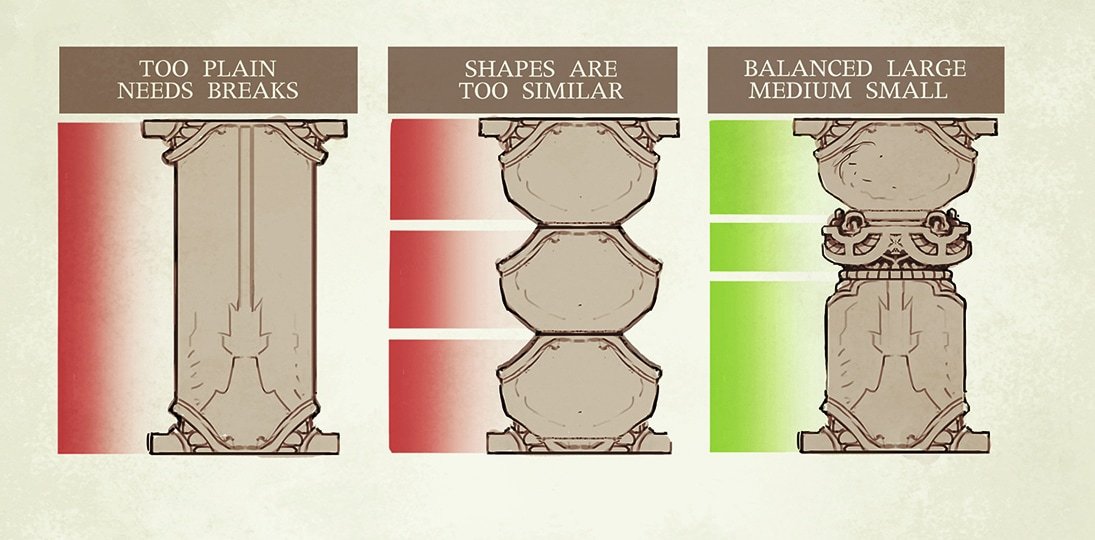
- Proportion: The relative size and scale of elements.
- Unity: A sense of completeness and belonging among components.
- Symmetry: Balanced proportions on opposite sides of a plane.
- Contrast: The juxtaposition of opposing elements (e.g., light/dark, rough/smooth).
- Rhythm: Repetitive elements that create movement and flow.
Understanding these principles helps us articulate why something works aesthetically, whether it's the design of a building or the aesthetics of sound in a musical composition.
When Ethics Meets Elegance: The Moral Dimensions of Aesthetics
While classical aesthetics often sought to separate "pure" aesthetic judgment from moral considerations, many contemporary philosophers argue that aesthetics is far from morally neutral. Our appreciation of art and beauty can, and often does, intersect with ethical concerns.
Consider issues like:
- Cultural Appropriation: When elements from one culture are adopted by another, particularly a dominant one, without understanding, respect, or attribution. This raises questions about authenticity, power dynamics, and potential harm. Ethical concerns around cultural appropriation are a significant part of modern aesthetic discourse.
- Environmental Impact: The materials used in art and design, the energy consumed, or the locations chosen can all have ecological consequences, forcing us to consider the "beauty" of sustainability.
- Social Justice: Art can challenge injustice, highlight marginalized voices, or inadvertently perpetuate harmful stereotypes. Aesthetic choices in representation, narrative, and accessibility are inherently ethical.
Acknowledging these intersections means recognizing that aesthetics isn't just about what looks or feels good, but also about what is right, respectful, and responsible.
Aesthetics in Action: Shaping Our World, Art, and Culture
Aesthetics isn't just an abstract philosophical pursuit; it's a dynamic force that continuously shapes our tangible world, influencing everything from the art we create to the clothes we wear.
From Galleries to Garments: Art, Design, and Fashion
Contemporary artists and designers constantly draw upon and reinterpret aesthetic principles. Art movements like minimalism, surrealism, and abstract expressionism each embody distinct aesthetic values, reflecting different ways of perceiving reality and expressing human experience.
In design, aesthetics dictates form, function, and user experience. Whether it's product design, graphic design, or architecture, aesthetic choices aim to create specific emotional responses and communicate meaning. For instance, the principles of minimalist design prioritize simplicity, functionality, and clean lines, aiming for a sense of calm and clarity.
Fashion, too, is a powerful expression of aesthetic principles and cultural values. Trends like sustainable fashion, gender-fluid designs, or tech-infused wearables reflect changing societal values and evolving aesthetic sensibilities. They show how design choices can not only make something look good but also carry deeper messages about identity, responsibility, and what we prioritize as a society. Ultimately, these aesthetic decisions contribute to how we perceive style and elegance, and how design choices can influence well-being in our daily lives.
Embracing the Kaleidoscope: Aesthetic Diversity and Inclusion
The world of aesthetics is incredibly diverse, encompassing a wide range of styles, forms, and cultural expressions. This diversity is a testament to the richness of human experience and creativity.
Think about the vast array of aesthetic styles: from the classical symmetry and grandeur of Greek architecture to the bold, experimental forms of postmodern art, or the intricate patterns of traditional tribal art. Each style reflects unique historical, cultural, and philosophical underpinnings.
Aesthetics also spans various types of sensory experience:
- Visual Aesthetics: Color, form, composition (e.g., painting, sculpture, photography).
- Auditory Aesthetics: Rhythm, melody, harmony, timbre (e.g., music, spoken word, soundscapes).
- Tactile Aesthetics: Texture, weight, temperature (e.g., sculpture, fabric, pottery).
- Olfactory Aesthetics: Scent, aroma (e.g., perfumery, natural environments).
- Gustatory Aesthetics: Flavor, texture (e.g., culinary arts).
Furthermore, different cultures possess unique aesthetic values that are often deeply intertwined with their history, beliefs, and way of life. Embracing this global aesthetic diversity fosters a more inclusive understanding of the world and broadens our own capacity for appreciation. It encourages us to step outside our familiar paradigms and discover random aesthetics from different traditions and perspectives.
Aesthetics Today: Beyond the Museum Walls and Into Your Daily Life
The aesthetic experience is no longer confined to traditional art forms or grand philosophical treatises. It has permeated every facet of modern life, especially with the rise of digital technologies and a renewed focus on the value of everyday experiences.
Digital Aesthetics: The Screen as a New Frontier
In our increasingly digital world, aesthetics plays a crucial role in how we interact with technology and consume media. Think about the sleek interfaces of your favorite apps, the curated feeds of social media platforms, or the immersive environments of virtual reality. Digital aesthetics—encompassing user interface (UI) and user experience (UX) design, visual effects, and even algorithmic recommendations—shapes our perceptions, influences our decisions, and defines our online identities. It dictates what looks "good" or "trustworthy" in a virtual space, forging new norms for visual and interactive appeal.
Everyday Aesthetics: Finding Value in the Ordinary
Beyond the digital realm, there's a growing appreciation for "everyday aesthetics"—the recognition and cultivation of aesthetic value in ordinary, daily experiences. This includes:
- Cooking and Food Presentation: The visual appeal of a meal, the aroma, the texture—all contribute to the aesthetic pleasure of eating.
- Fashion and Personal Style: How we choose to dress, the colors and textures we combine, reflects our aesthetic sensibilities and communicates who we are.
- Interior Design and Home Decor: Creating spaces that feel harmonious, comfortable, or stimulating is an exercise in everyday aesthetics.
- Urban Environments: The design of parks, public squares, and cityscapes impacts our mood and sense of community.
These expanded horizons challenge the traditional notion that aesthetics belongs solely to "high art" or academic study. Instead, they highlight its profound integration into our daily lives, demonstrating how we constantly seek and create meaning through sensory experience.
Common Aesthetic Questions, Clarified
You've got questions about aesthetics? Let's clarify some common misconceptions:
Is aesthetics just about visual things?
Absolutely not! While visuals are prominent, aesthetics encompasses all sensory experiences: auditory (music, soundscapes), tactile (texture, form), olfactory (scent), and even gustatory (taste in food). A beautifully plated dish, a perfectly balanced perfume, or the comfortable feel of a fabric all involve aesthetic judgments.
Is beauty truly in the eye of the beholder?
Partially, yes. Personal taste and cultural background undeniably shape our perception of beauty. However, many philosophers, from Hume to Kant, have also argued for universal principles or shared human responses that transcend individual preference. Elements like symmetry, harmony, and proportion often resonate across cultures, suggesting there's more to beauty than just subjective opinion. Aesthetics explores the interplay between these universal tendencies and individual interpretations.
Does something have to be "high art" to be aesthetic?
Definitely not. The concept of "everyday aesthetics" precisely challenges this notion. Your morning coffee ritual, the layout of your garden, the clothes you choose, or a well-designed kitchen utensil all have aesthetic dimensions. Aesthetics is about the experience of perception, not just the perceived status of an object.
Your Aesthetic Toolkit: How to Deepen Your Appreciation
Understanding aesthetics isn't just about knowing definitions; it's about enriching your life by becoming a more perceptive and appreciative individual. Here's how to cultivate your own aesthetic sensitivity:
- Engage Your Senses Fully: Don't just look; see. Don't just hear; listen. Pay attention to textures, smells, and even tastes. Spend time mindfully observing a piece of art, a natural landscape, or even a well-crafted object.
- Ask "Why?": When something evokes a strong feeling in you—whether pleasure, discomfort, awe, or intrigue—ask yourself why. What elements contribute to that response? Is it the color, the composition, the sound, the rhythm, the story it tells?
- Explore Diverse Forms: Step outside your comfort zone. If you love classical painting, try contemporary dance. If you're a fan of pop music, listen to some experimental jazz. Deliberately seeking out different aesthetic experiences, perhaps to find new aesthetic inspiration, broadens your understanding and refines your taste.
- Learn the Language: Familiarize yourself with basic aesthetic principles like harmony, balance, contrast, and unity. This gives you a vocabulary to articulate your perceptions and understand artistic choices.
- Consider Context: Remember that art and aesthetics are often shaped by historical, cultural, and social contexts. Understanding the "story" behind an artwork or a design can profoundly deepen your appreciation.
- Reflect and Discuss: Talk about your aesthetic experiences with others. Hearing different perspectives can challenge your assumptions and open your eyes to new ways of seeing and interpreting. Journaling about your perceptions can also be a powerful tool for self-reflection.
The study of aesthetics offers a vital lens for understanding beauty, art, and all sensory experience, bridging philosophy, culture, and your daily life. It's an ongoing invitation to engage more deeply with the world, encouraging you to think critically about what you consider beautiful, meaningful, and just. By consciously cultivating your aesthetic awareness, you don't just become a connoisseur of art; you become a more perceptive and enriched participant in the grand tapestry of human experience.